
Networks & Wi-Fi
Fibre optic splicing & termination in Liverpool
Plan fibre connections within and between buildings with fusion splicing, termination and a clear handover. We discuss the existing fibre, intended equipment and work needed to complete your business link.
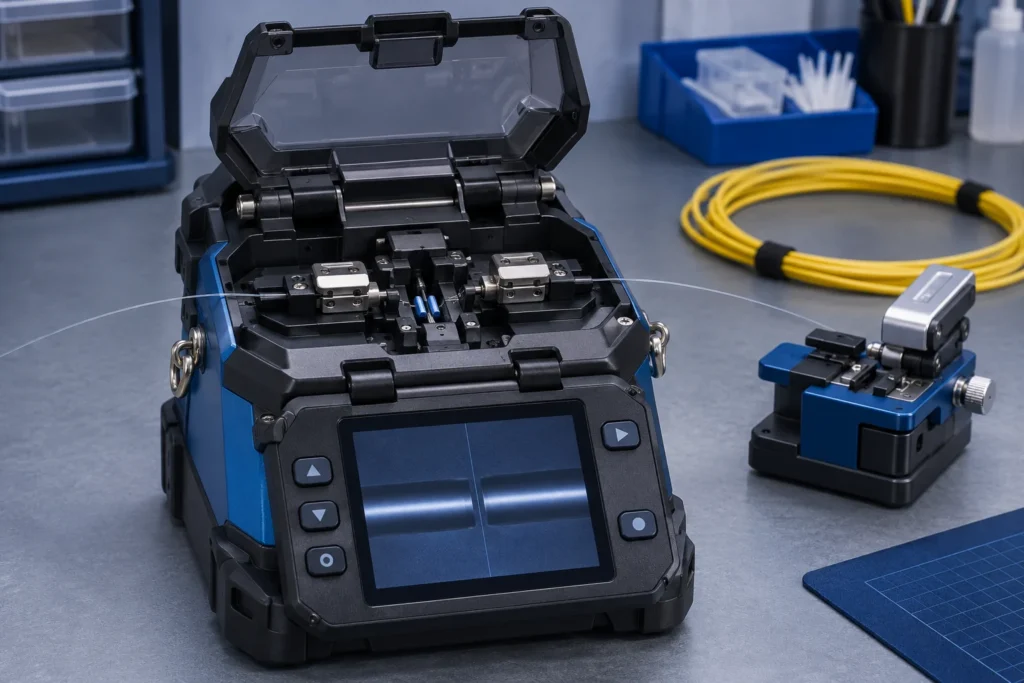
Fibre projects need more than matching a cable to a socket. The fibre type, connectors, route, installation condition and equipment at each end all need to be considered together.
What we can help with
- Single-mode and multimode requirements reviewed
- Fusion splicing and protected terminations
- Patch-panel and connector arrangements
- Testing and equipment responsibilities agreed in scope
Fibre management and protected terminations
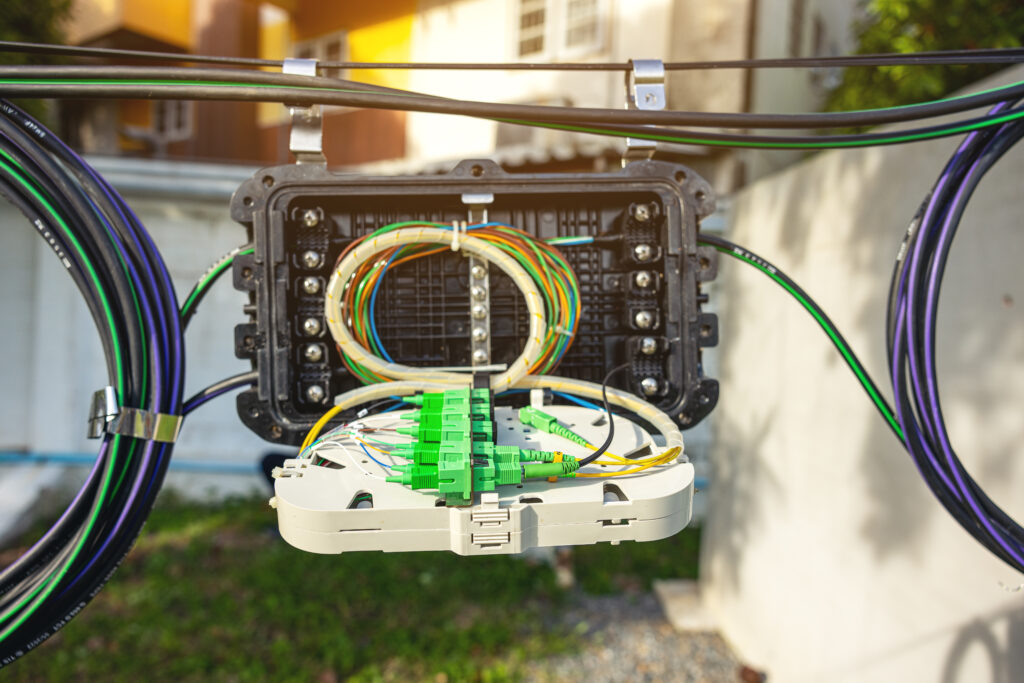
Splicing work also needs a suitable arrangement for routing and protecting the completed fibres. We discuss the termination points, enclosure and handover needed for the link.
Work with the fibre installation you have
For an existing link, useful information includes the cable markings, the number of cores, the termination arrangement and what has stopped working or needs to change. For a new project, we discuss the route and end equipment before agreeing the fibre specification. This helps identify whether splicing, new terminations or a wider installation is required.
Splicing and protecting connections
Fusion splicing joins prepared fibre ends, with the completed splice protected and organised in a suitable enclosure. Termination may involve pigtails, patch panels or other agreed connection arrangements. Managing the fibre carefully and leaving usable access for future work are part of planning a practical installation rather than simply completing an individual joint.
Specify the testing and handover
The testing required depends on the project and any faults under investigation. Agree the scope, the results you need and how the completed link will connect to your equipment. If transceivers, patch leads or switch configuration are required, these should be included explicitly rather than assumed to form part of a splicing-only visit.
What to include in your enquiry
Include the site locations, cable markings, number of cores, connector photographs and intended equipment. If the link has a fault, describe when it started and what testing has already been done.
Your questions answered
Can you work on an existing fibre run?
Potentially. We need details of the cable, access to the ends and the condition of the installation before confirming what work is suitable.
Which fibre type should we use?
The choice depends on the link distance, existing installation and intended equipment. We can help review those requirements without treating one fibre type as the answer to every project.
Do we need new switches as well?
That depends on the available ports and compatible transceivers. We will identify where active equipment or additional patch leads need to be considered separately.
Discuss your fibre project
Tell us what you want to achieve. We will discuss the requirements, the practical next step and the work to be included.